

Recommended Texts & Manuals
Dance Fitness & Hip-Hop Aerobics Instructor Certification
Dance Fitness & Hip-Hop Aerobics Instructor Certification
Earn your Dance Fitness & Hip-Hop Aerobics Instructor Certification and lead energetic, music-driven classes with stronger choreography, structure and participant engagement.
Pay Only If You Pass
Fully Accredited
100% Online & Self-Paced
No Required Coursework
Instant Digital Certificate
100,000+ Certifications Issued Worldwide
Couldn't load pickup availability
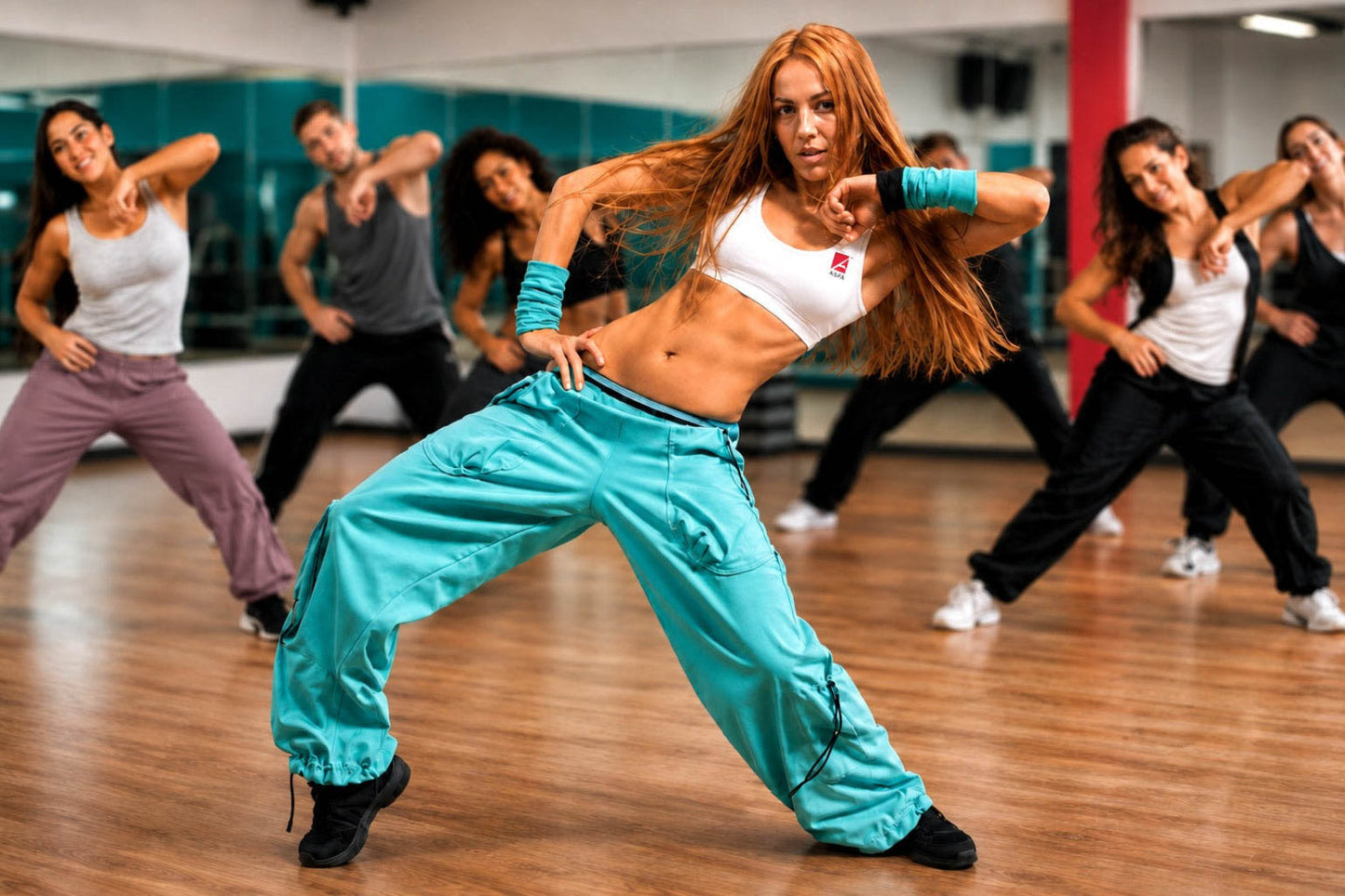
About Our Dance Fitness & Hip-Hop Aerobics Instructor Certification
A Great Dance Fitness Class Feels Effortless. The Instruction Behind It Is Not.
Participants may experience a dance fitness class as music, movement, energy and release. The instructor is managing much more: beat, choreography, cueing, intensity, transitions, room awareness, participant confidence, and the emotional pace of the class. When those elements work together, people stop worrying about whether they look perfect and start moving.
ASFA's Dance Fitness & Hip-Hop Aerobics Instructor Certification recognizes the knowledge required to lead music-driven group exercise with structure and purpose. It is designed for group instructors, dancers, coaches, and fitness enthusiasts who understand how rhythm-based movement can become an effective conditioning experience.
You can test before purchasing. If you pass, choose the certification option that fits your goals. If you do not pass, you are not charged. Review the weak areas, practice, and return when you are ready.
What Is a Dance Fitness Instructor Certification?
A Dance Fitness Instructor Certification is a group exercise credential that recognizes knowledge of choreography, musical phrasing, cueing, class design, cardiovascular conditioning, movement modification, participant engagement, and safety. It applies dance-inspired movement to a structured fitness setting rather than treating a class as an unplanned sequence of songs.
The goal is not to turn every participant into a trained dancer. The goal is to create a class people can follow, enjoy, and complete at an appropriate intensity.
Music Is the Framework, Not Background Noise
Music affects pacing, anticipation, energy, and memory. An instructor who understands phrasing can introduce movement where it feels natural, repeat patterns long enough for participants to learn them, and transition without breaking the flow of the room.
That does not require choreography to be complicated. In fact, complexity can work against fitness participation when people spend more time trying to decode the steps than moving. Strong instructors know when to repeat, when to layer, when to simplify, and when the class is ready for a change.
Hip-hop influence can add attitude, grounded movement, rhythm, and personality, but it should be taught with respect for the style and the people in the room. The instructor's job is to create an accessible fitness experience, not to imitate culture superficially or pressure participants to perform.
What the Examination Calls on You to Know
- Musical phrasing: recognizing beat, counts, patterns, and natural transition points.
- Choreography: building combinations that are teachable, repeatable, and appropriate for a fitness setting.
- Cueing: using clear verbal, visual, and physical preparation so participants know what is coming.
- Class architecture: organizing warm-up, skill introduction, conditioning work, transitions, and cooldown.
- Intensity management: keeping the class energetic without treating constant maximal effort as the only measure of success.
- Modification: offering lower-impact, simplified, or range-adjusted options without making participants feel singled out.
- Room leadership: monitoring spacing, direction changes, confidence, and the overall response of the group.
- Professional practice: selecting appropriate music, respecting boundaries, and working within the instructor's scope.
Energy Is a Coaching Skill
High energy does not mean shouting through every song. It means knowing when the room needs encouragement, when the music can carry the moment, and when participants need a clearer cue rather than more volume.
Some instructors lead with big personality. Others create energy through precision, musicality, and calm confidence. Both can succeed. Authenticity matters because participants recognize when enthusiasm is forced. The best class voice is one the instructor can sustain while still observing the room and coaching well.
Who May Be Ready to Test?
The certification may fit current group fitness instructors, dancers moving into fitness instruction, personal trainers adding classes, and knowledgeable enthusiasts who have studied class design and exercise principles. Prior professional employment is not mandatory. Readiness is.
A background in dance can help with rhythm and movement vocabulary, but dance ability alone does not automatically create a safe, well-organized fitness class. Likewise, a fitness background does not automatically create musical cueing. Candidates should understand both sides of the format.
How ASFA Makes the Decision More Transparent
Many programs ask candidates to pay for a package before they know whether the material matches their experience. ASFA lets you examine the standard first. Take the online test when prepared. If you pass, pay for the certification you want. If you do not, there is no charge for the unsuccessful attempt.
After you pass and complete checkout, your digital certificate is normally emailed within minutes.
ASFA is fully accredited by the International Council for Online Educational Standards (ICOES). The examination is self-paced and online, allowing candidates to test around work, training, and class schedules.
Where the Credential May Fit
Dance fitness instructors may work in health clubs, studios, community centers, recreation programs, corporate wellness settings, or independent class businesses. A specialty credential can help a facility or client understand the format you are prepared to lead, but it does not replace auditions, practical demonstrations, insurance, music licensing responsibilities, or organization-specific requirements.
From a business standpoint, music-driven classes can create community and repeat attendance when participants feel successful. Retention is rarely driven by choreography alone. People return because the class is welcoming, well paced, challenging enough, and consistently worth the time.
Frequently Asked Questions
Do I need professional dance experience?
No specific dance career is required. You should, however, understand rhythm, movement sequencing, cueing, class structure, and fitness safety well enough to pass the examination and teach responsibly.
Can a fitness enthusiast take the exam?
Yes. ASFA permits prepared enthusiasts and aspiring instructors to test. If you are not ready, you are not charged and can study before trying again.
Is ASFA fully accredited?
ASFA is fully accredited by the International Council for Online Educational Standards (ICOES).
Will employers, gyms, or studios accept this certification?
Acceptance varies by employer, gym, studio, insurer, role, and location. Confirm the exact credential, practical audition, music-licensing, and insurance requirements with the organization before purchasing when acceptance is essential to a specific opportunity.
Does the certification license music for my classes?
No. Music licensing and public performance requirements are separate responsibilities that depend on the venue and jurisdiction.
What happens after I pass?
You select and purchase the certification option you want. Your digital credential is then available through ASFA's completion process.
Build a Broader Group Instruction Portfolio
Related credentials include the Group Fitness & Bootcamp Instructor Certification, Step Aerobics & Cardio Kickboxing Instructor Certification, HIIT Instructor Certification, Barre Instructor Certification, and Cycling Instructor Certification.
A memorable class gives participants room to move without fear of getting every step right. That freedom is created by an instructor who has done the planning.